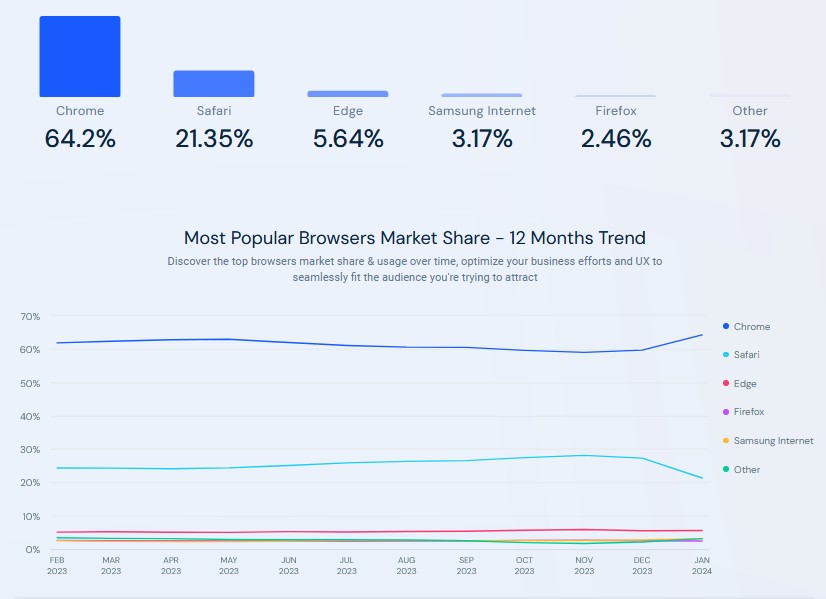
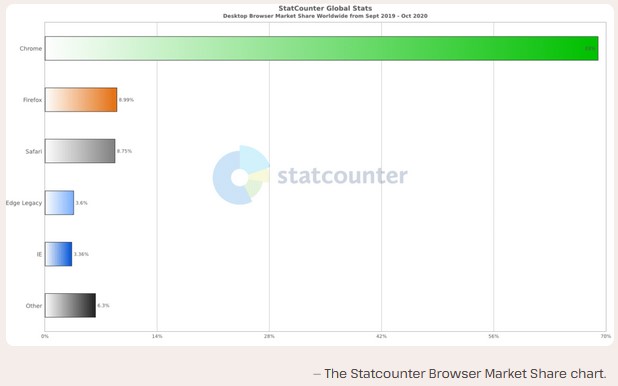
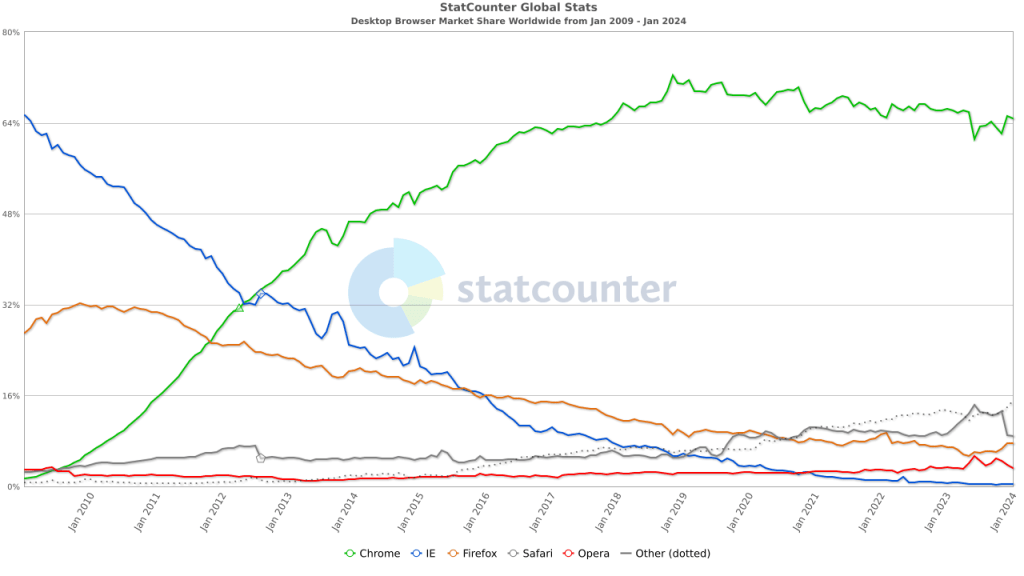
It’s interesting to see how much share Googles Chrome has taken in the world of Internet Browser usage. Here are some charts from various sources to show the different makeup of the browser market. Click on each image for expanded view.
.
Somewhere to write, discuss, reflect, ponder, muse and mull over life, stuff, things and anything that takes my fancy.
It’s interesting to see how much share Googles Chrome has taken in the world of Internet Browser usage. Here are some charts from various sources to show the different makeup of the browser market. Click on each image for expanded view.
.

We’ve all been there; somewhere in the UK trying to make a call or use the internet on a mobile phone to find; we have no signal!
Ofcom’s Mobile Phone Coverage map, which I have used on the left, seems to show a pretty good coverage across the UK.
You can click on the image to find out more details from your own postcode area point of view.
Looking at all the 4 main mobile phone networks (three, O2, ee & vodafone) using this service, we can see slightly different coverage maps than those of Ofcom which paint a different picture with not so much full coverage of the UK.
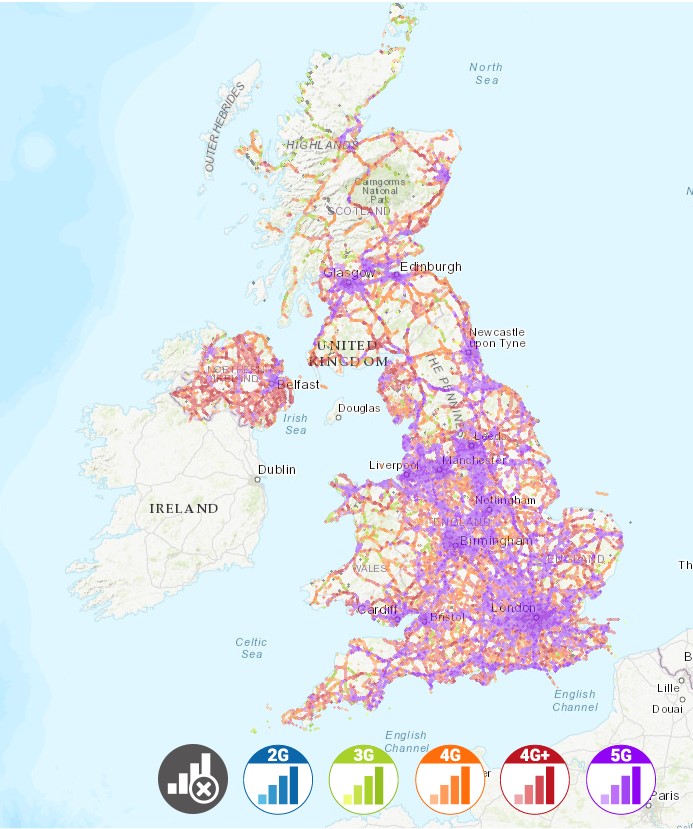

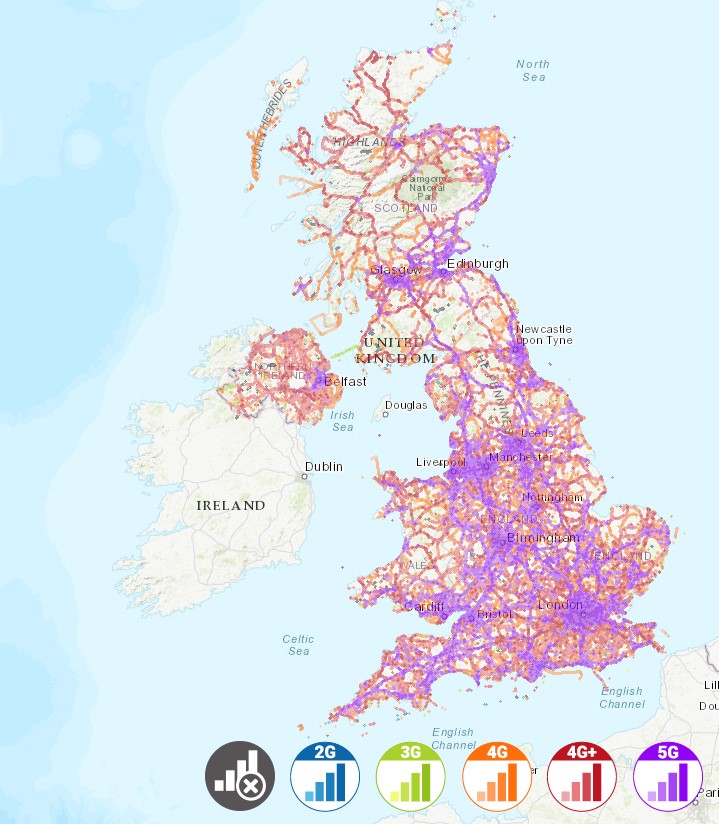
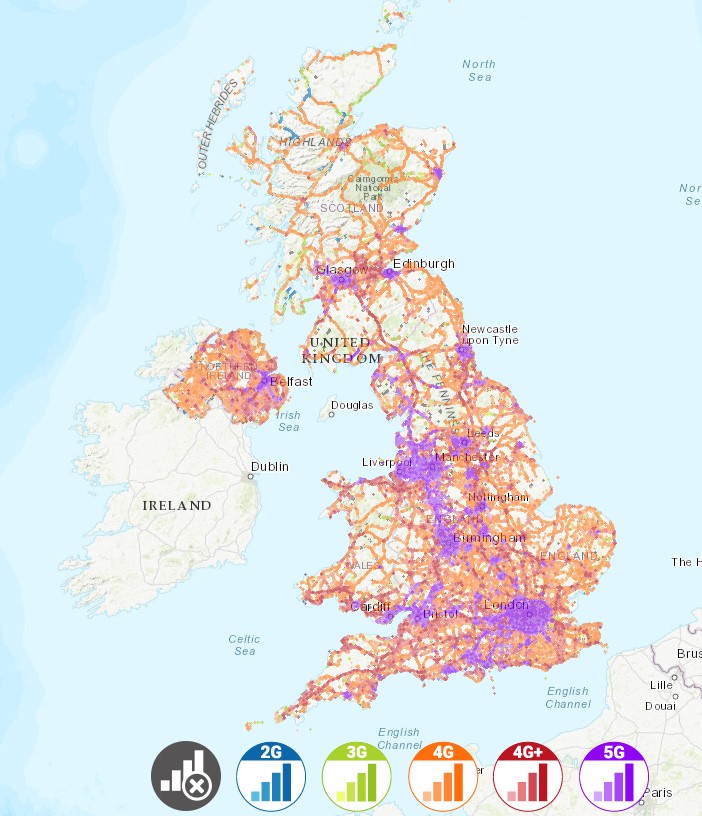
So, just how good is the coverage of mobile phone coverage in the UK? I came across this report about United Kingdom Mobile Insights from m2catalyst a couple of days ago and clearly this a company is delving deep into mobile phone coverage not only in the UK but also around the world.
Information in the Coverage-qoe/Traffic analysis/Digital divide report includes detailed measurement of the UK mobile phone network coverage. What’s also interesting is a comparison of where the UK sits in relationship to other countries for Connected Coverage and Traffic Percentage, the UK does not come out very well.
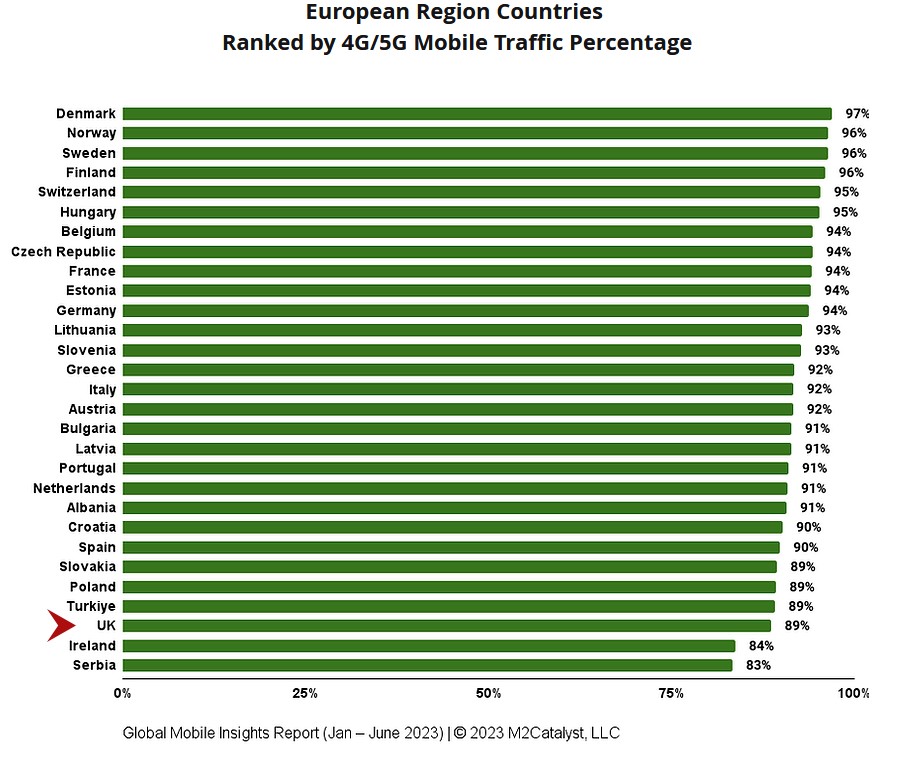
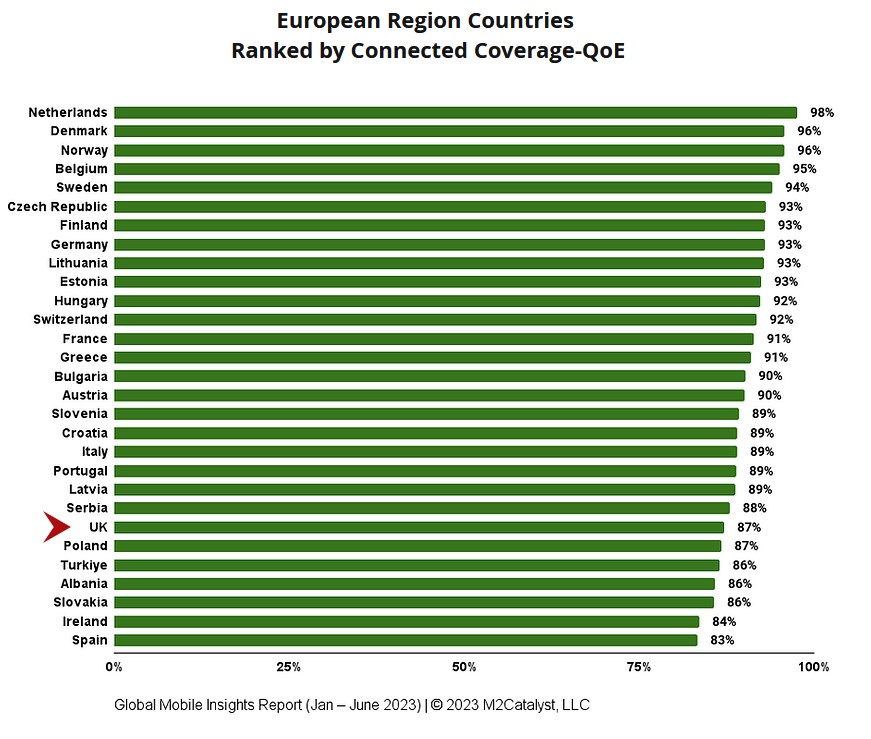
The whole report can be downloaded at the end of the online report page, as are reports from many other countries around the work. Happy reading; that is, if you have a connection!!!

Wow!! What a lot of rain over the past few weeks and it seems that we have another example of climate change. That of course is no help to the people are having to bail out their homes from the latest inundation of flood water. Help from Citizens Advice is available.
As the chart on the left shows (click to get a bigger version), the planets’ climate is continuing to change, is it approaching the point of no return? One hope not for all our sakes.

With the sad news that Derek Draper has died today at the young age of 56, Long-Covid continues to cast its shadow over many people.
A recent report indicated that, even in people that have recovered to some degree, they are still affected by it when trying to exercise to get back to full health. If you’re suffering from Long-Covid, here’s a Long Covid recovery guide from the British Heart Foundation.
With Solar flare activity increasing and intensifying—see the recent Northern Lights magnificent shows, another effect of solar flares you may have personally experienced is interference in terrestrial broadcast TV and Radio signals. I have here in the last few weeks.
Italy could soon have a solution to this as a side-benefit to its requirement to provide a reliable TV/Radio signal across all of its regions, in particular the most mountainous areas, by having an internet fall-back. It makes interesting reading and compares how a few other countries are progressing.

Computer memory, that is!! I am working my way through a backlog of books that I have accumulated over the past eighteen months, the latest one of which is Turing’s Cathedral by George Dyson (no relation to the vacuum manufacture).
Not a straightforward history of computing book. But more an investigation into the backgrounds of who was who in the various developments of calculating/computing machines over time, which has led us to where we are today and how a group of people wanted to build a computer that would make Alan Turing’s theory of a ‘universal machine’ reality.
I am only halfway through it, as I can’t stop going to search the internet to look up information relative to the progress of the story. Having worked with computers since I was seventeen after joining the Royal Navy in 1964 it’s fascinating to learn more about how the theories of such things as computer memory became reality.
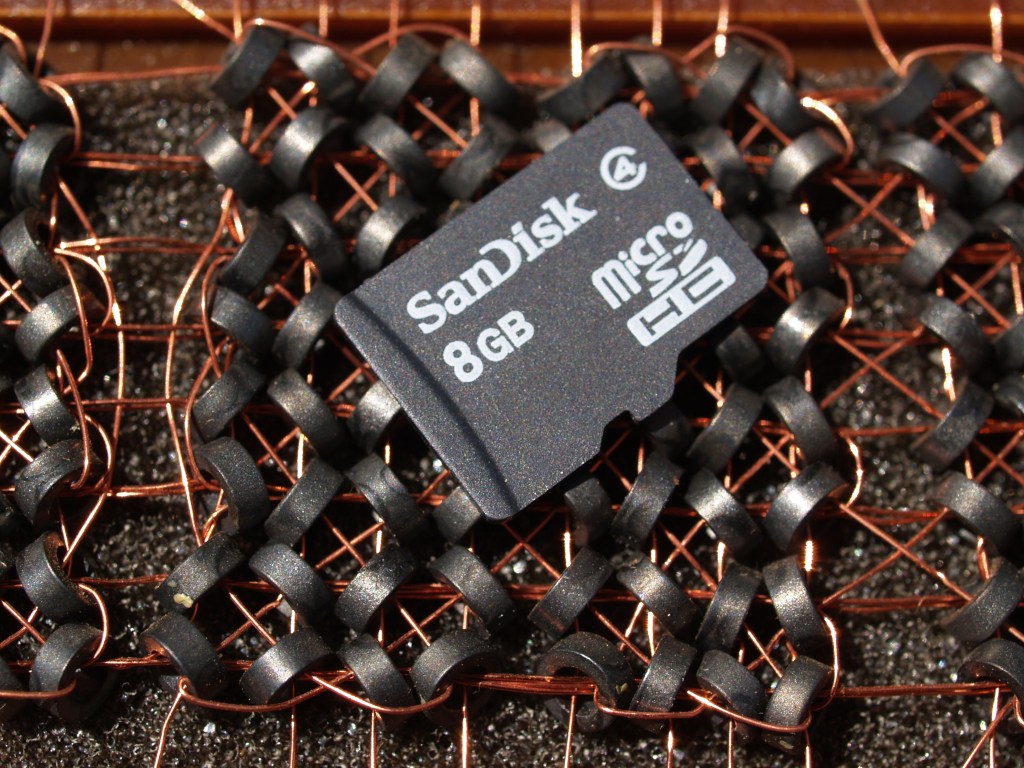
To show one example of how far computer memory has come, here is an image of an original Ferrite Ring core memory, showing 64 cores in an 8 by 8 matrix to hold just eight bytes!
On top of it is an 8 GB SanDisk memory card, one billion time more memory in one quarter of the area taking up by the Ferrite Core matrix!
Of course this is an old picture, I saw an article last week about a 1.5 TB SanDisk memory card! There are other larger cards with higher capacities, but it’s amazing to see this amount of storage packed into such a small space. What would Alan Turing have made of this?

 Beasley's Place