More of what I have been reading since returning to physical books.
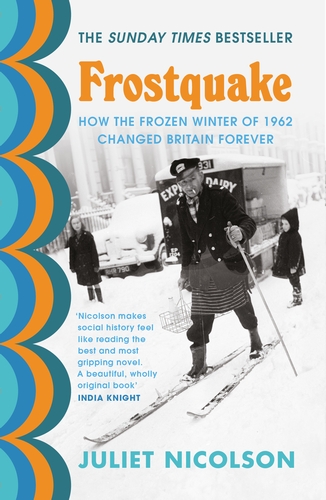
What a great book! It’s really two books in one. Not only covering one of the worst winters the UK experienced in my lifetime, but also a well-documented history of the many social/political changes happening in the UK during the early 60’s including the emergence of the ‘Swinging Sixties‘, the start of the Mersey Beat sound through The Beatles and of course many others.
Some other highlights of the book included revisiting the Profumo scandal and of course, as I found out through internet searches, the author‘s family connection to Sissinghurst – which is worth a separate post – which I have visited a few times. Great anecdotes.
We lived in Plymouth at the time of the ‘Big Freeze‘ (Video) and as a 13-year-old I did not mind at all that the buses could not negotiate the hills to take us to and from school, Extra holidays!! Though, I do remember my father taking us on a trip to Okehampton to see some relatives during one of the easier driving days of the time. My mother was not amused!
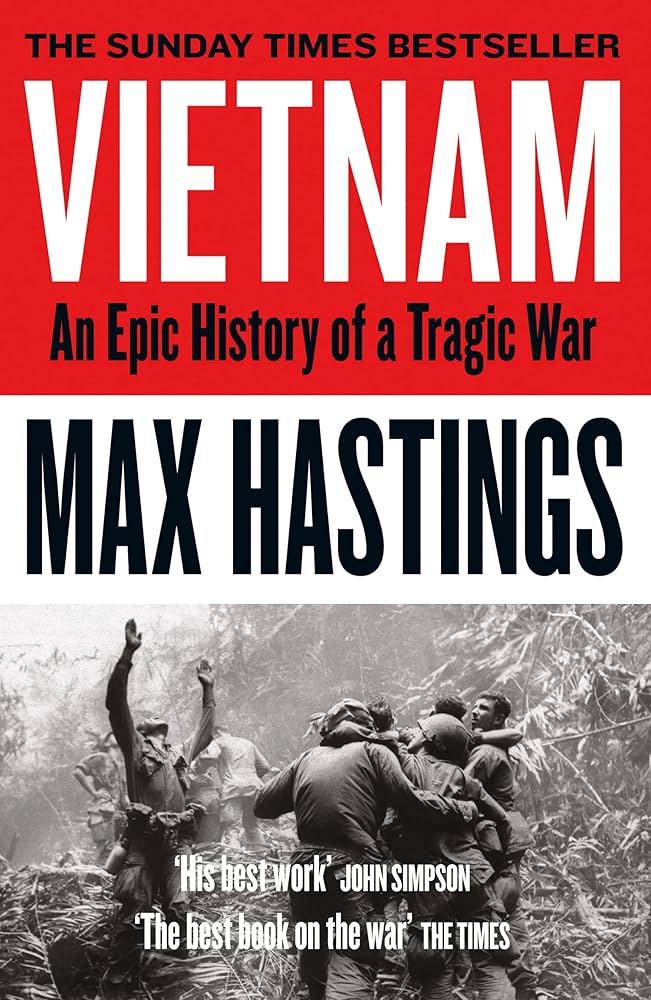
I have read a number of Max Hastings books over the year, I read this one last year after watching Ken Burns and Lynn Novick‘s excellent and must watch documentary about Vietnam.
A very detailed book that did add to my already reasonable knowledge about the conflict from the many other books that I have read including – In Retrospect: The Tragedy and Lessons of Vietnam, We Were Soldiers Once…And Young, A Bright Shining Lie – and definitely a book to keep for future reference. I especially like the collections of images and maps that helped to understand what happened.
However, I cannot get over Max Hastings not sacking Boris Johnson when he was his boss at the Daily Telegraph newspaper. Perhaps if he had, we might have been spared his atrocious attempt at being UK Prime Minister.

Another book that I read a while ago but came up in a recent conversation. This book, written by Alan Turing‘s nephew Dermot Turing, covers the often overlooked work that Polish Code-Breakers did in the early days of trying to break the Enigma cipher machine codes used by the Nazi Germany during World War Two. It’s a very interesting read and add more detail to that part of history.
History is also a funny thing; early on while serving in the Royal Navy through the various jobs I did, I came across some (then classified) machines that were used for manually encrypting communications much like the Enigma did. It was part of the job to look after them – maintenance etc. Though, there was not a lot you could do in reality. You did what you did with them and really did not think too much about it, as it was just like any other piece of equipment, be it radio transmitters or radar systems.
Imagine my surprise when in 1974 a book called The Ultra Secret: The Inside Story of Operation Ultra, Bletchley Park and Enigma by F. W. Winterbotham was published as the first book in English that suddenly divulged what until then had been the secret world of World War Two cryptography. I then suddenly realised that I had been working on one of the successors of the Enigma, the Adonis/SEC/KL-7!
 Beasley's Place