Books I’ve Read – 11

The second book in the Languedoc Trilogy by Kate Mosse. Another great read – I do like her style of writing – this one is written a standalone story, but does carry on the themes established in the first book – Labyrinth.

I didn’t know a great deal about Tarot cards before reading this story, but their meaning and interpretation is revealed throughout this tale. Another great story. Backed up as usual with abundant and relevant info at the back of the book. A very well researched book.

Not sure why so many books I read at the moment seem to cover the same area in France that I have visit many times over the years, I need to go back.

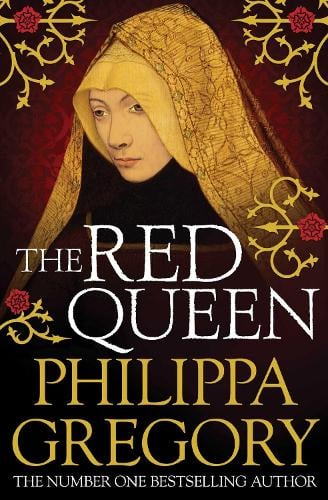
We all sat through various history lessons about Henry VIII at school, right?, But what about the years before he arrived on the scene? Not covered that much, well certainly for me. This story sheds more life on that period known as the Wars of the Roses – yes, I’ve heard of that!

The third book (based on the order suggested by the author) of The Plantagenet and Tudor novels takes us through another chapter of the Cousins Wars and their never-ending struggle for supremacy over one another.

As per previous books, I spent a lot of time on the Internet following up information from the book. Another great book. Kingmaker’s Daughter next.

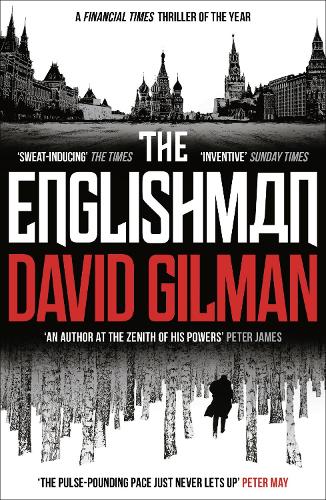
A new writer for me, but another great read. A bit far-fetched in places, but nicely put together to make a good spy/adventure story with a great deal of verifiable facts in the tale. Turns out to be the first of a trilogy, so now I have to read the others, of course.

The author also has a past connection to Touch of Frost – a great TV detective series which ran from 1992 to 2010.

It’s amazing to me, just how much research goes into novels to get the stories just right to make them believable. Let’s hope the others are as good as this one.

Books I’ve Read – 10

Wow, three posts in short succession! I’m doing well at the moment. Here are three more books I have read this year. Though in reality, one is a reference book that I pulled off the shelf to find some information that I seemed unable to get from the Web. Now there’s a surprise!

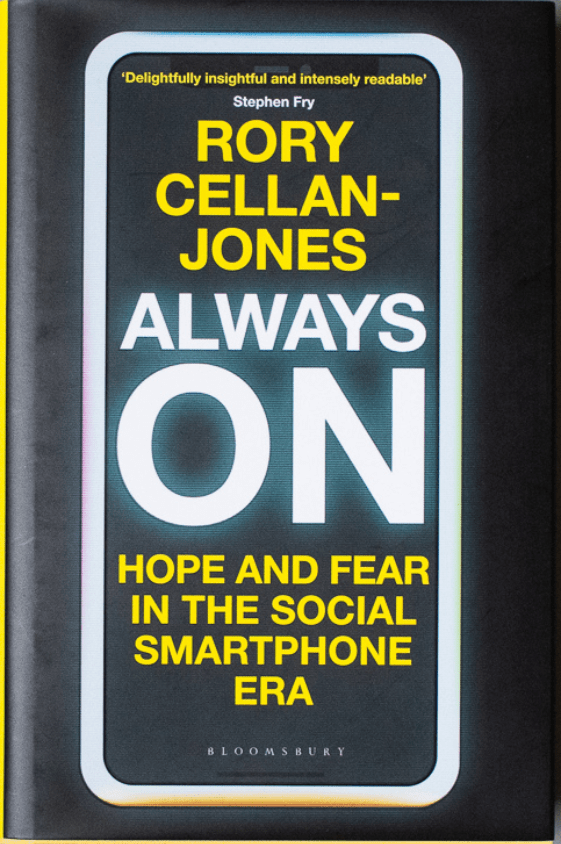
Anyone of the pre-mobile era, will find this a great read. It traces the rise of the mobile phone from early Nokia days right up to the latest iPhone (circa 2020’s – when this book was published). Why it took me so long to find and read it, I am not sure.

However, the household name of, well it was for me – Rory Cellan-Jones tells a great story about the Hendy (German), Cell (American), Mobile (UK) – local parlance for what has now become one of the most ubiquitous devices of all time.

How did Apple’s iPhone & Google’s Android outwit all the other offerings? What happened to Blackberry, Ericsson and many others? This book will tell you all. It’s a very good read.

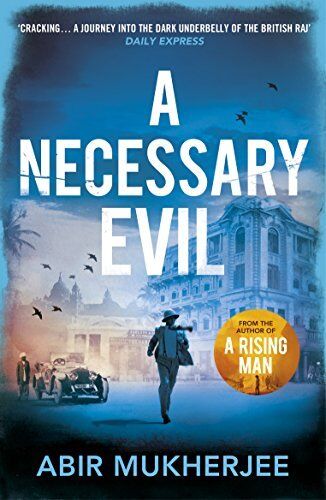
Book two of this series. Another good read from Abir Mukherjee, continuing the story of unlikely bed-fellows, Sam Wyndham and Sergeant Banerjee off on another detective adventure.

Sometimes I feel that follow-on books don’t always live up to expectations, but this does and I am sure the others in the series will, there are four more after this one.

Always great to find new authors that can weave a story over so many books, the first two have kept me entertained and a good job that my sister has all the rest of the series, so that will save some pennies as I work through them.

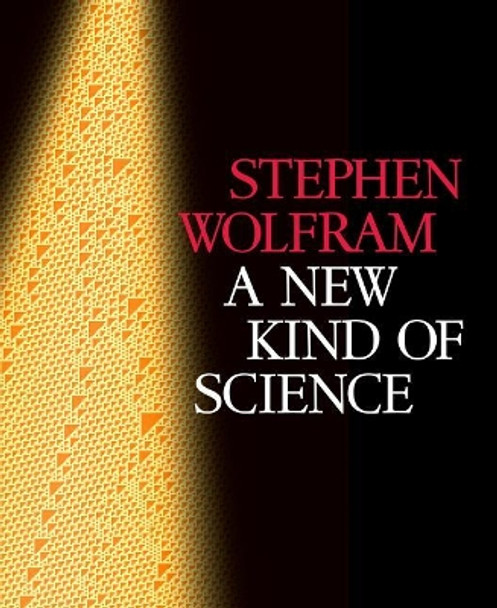
A New Kind of Science is a very interesting book, again something that I actually bought quite a while ago (2002), read some of it, but then kept it on a shelf as a sort of reference book.

If I remember correctly, I came across Stephen Wolfram‘s name and his book when I was doing some consulting work with a number of small end computer companies looking for the next ‘big-thing’ and his name was mentioned by a number of them. Sadly, none of their ideas came to fruition, but I did get paid!. The book has been quite an interesting book to keep for reference. His comments about Artificial Intelligence (AI) from a 2002 viewpoint are very interesting.

Books I’ve read – 9

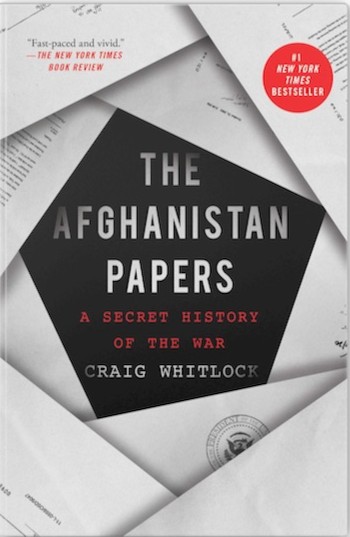
If you are as old as me, then you will remember the Pentagon Papers (first mentioned in the New York Times in 1971 and the furore they caused, which turned a Daniel Ellsberg into a hero (in my opinion) of free speech.

The Afghanistan Papers is a similar set of data, mostly from declassified secret interviews (SIGAR) of US military and others involved in the Afghan conflict, collected into a riveting read by the Washington Post Journalist & author Graig Whitlock.

If you want to know why and how the US government tried to keep their many secrets secret about the Afghan conflict, then this book is a must-read.

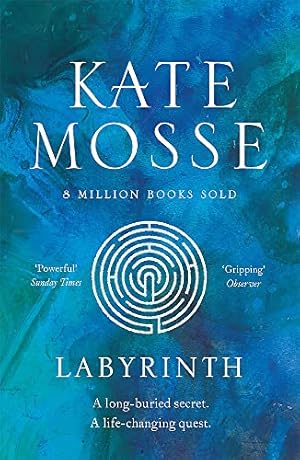
Yes, I am back to reading another of Kate Mosses historical fiction books. This time, book one of the Languedoc Trilogy, Labyrinth. It’s a lengthy read, with some 694 pages! But a great story. Again, based on methodical research.

I am not sure what draws me to her writing, maybe it’s the area this one and the previous The Burning Chambers series are set in.

I’ve been to this area of France a number of times over the years and interestingly looking at the end pages at the back of this book and looking over some old photos, I seem to have done The Labyrinth Walk of Carcassonne without even knowing it! A great read. Sepulchre is next!

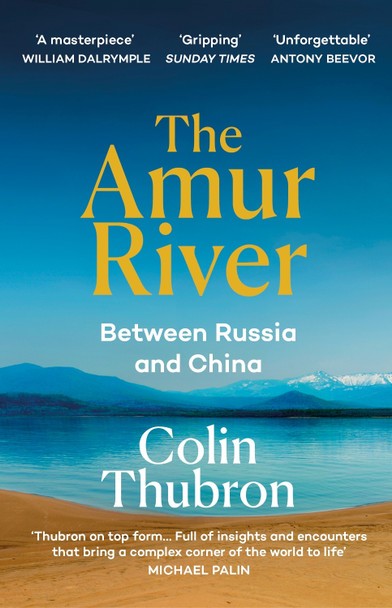
Now for a bit of education. What do I know about the eastern regions of Russia and China? Siberia, a desolate place full of past Gulags and China with its vast agricultural areas and its Ice Festival in Harbin!

For much of its length, the Amur River forms a water border between Russia and China, this book looks at the history and peoples of these regions. Colin Thubron (80 years old when he made this trip), brings to life the different regions on his journey, following as closely as possible the route of the river.

It taught me a lot about this area and extensive use of Google Maps helped understand that these regions are not a desolate as I first thought.

Books I’ve read – 4

More of what I have been reading since returning to physical books.

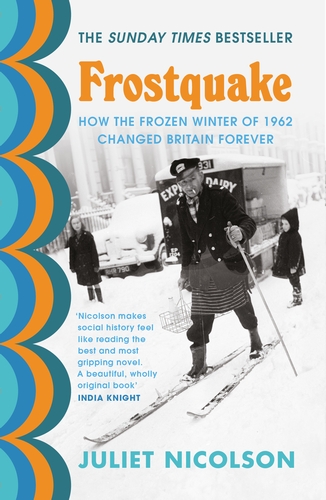
What a great book! It’s really two books in one. Not only covering one of the worst winters the UK experienced in my lifetime, but also a well-documented history of the many social/political changes happening in the UK during the early 60’s including the emergence of the ‘Swinging Sixties‘, the start of the Mersey Beat sound through The Beatles and of course many others.

Some other highlights of the book included revisiting the Profumo scandal and of course, as I found out through internet searches, the author‘s family connection to Sissinghurst – which is worth a separate post – which I have visited a few times. Great anecdotes.

We lived in Plymouth at the time of the ‘Big Freeze‘ (Video) and as a 13-year-old I did not mind at all that the buses could not negotiate the hills to take us to and from school, Extra holidays!! Though, I do remember my father taking us on a trip to Okehampton to see some relatives during one of the easier driving days of the time. My mother was not amused!

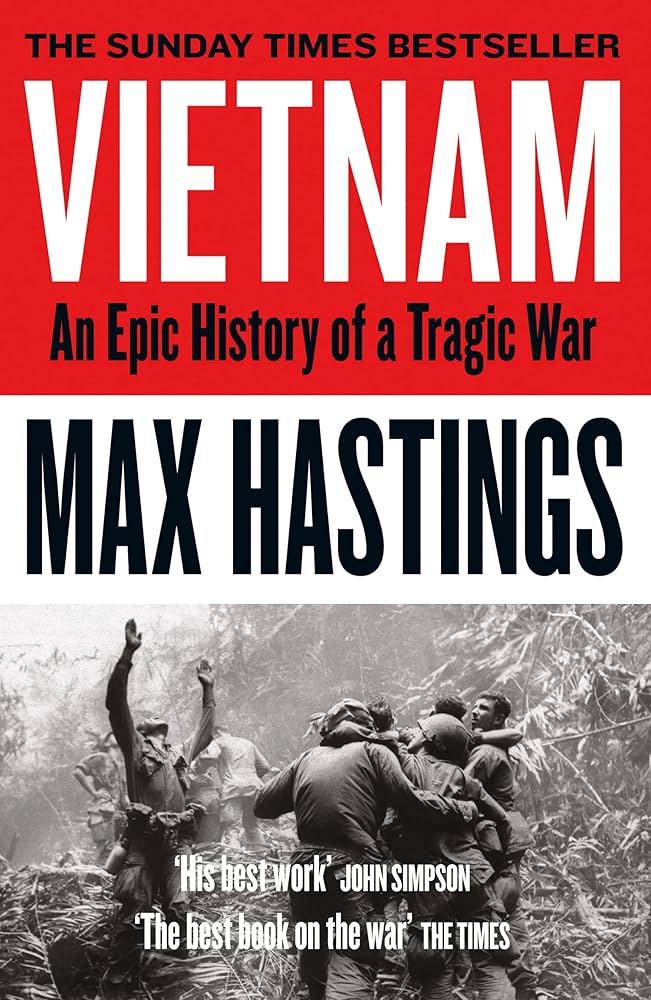
I have read a number of Max Hastings books over the year, I read this one last year after watching Ken Burns and Lynn Novick‘s excellent and must watch documentary about Vietnam.

A very detailed book that did add to my already reasonable knowledge about the conflict from the many other books that I have read including – In Retrospect: The Tragedy and Lessons of Vietnam, We Were Soldiers Once…And Young, A Bright Shining Lie – and definitely a book to keep for future reference. I especially like the collections of images and maps that helped to understand what happened.

However, I cannot get over Max Hastings not sacking Boris Johnson when he was his boss at the Daily Telegraph newspaper. Perhaps if he had, we might have been spared his atrocious attempt at being UK Prime Minister.

Another book that I read a while ago but came up in a recent conversation. This book, written by Alan Turing‘s nephew Dermot Turing, covers the often overlooked work that Polish Code-Breakers did in the early days of trying to break the Enigma cipher machine codes used by the Nazi Germany during World War Two. It’s a very interesting read and add more detail to that part of history.

History is also a funny thing; early on while serving in the Royal Navy through the various jobs I did, I came across some (then classified) machines that were used for manually encrypting communications much like the Enigma did. It was part of the job to look after them – maintenance etc. Though, there was not a lot you could do in reality. You did what you did with them and really did not think too much about it, as it was just like any other piece of equipment, be it radio transmitters or radar systems.

Imagine my surprise when in 1974 a book called The Ultra Secret: The Inside Story of Operation Ultra, Bletchley Park and Enigma by F. W. Winterbotham was published as the first book in English that suddenly divulged what until then had been the secret world of World War Two cryptography. I then suddenly realised that I had been working on one of the successors of the Enigma, the Adonis/SEC/KL-7!

Books I’ve read – 3

It seems that I have got back to physical book reading in earnest.

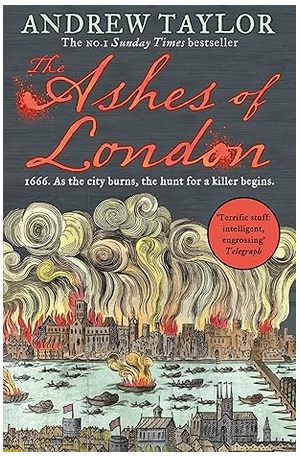
I read this first book of the six-book series 18 months ago while on holiday in Spain and got through it in two days!!! What a fantastic tale, I love these sorts of books that meld historial facts with historical fiction. When done well (which this has), it creates a very exciting story line. The Great Fire of London and its aftermath told over the five subsequent books have been woven into a great tale.

Having been born in London and visited many of the places mentioned in this and the subsequent books such as The Monument, St. Paul’s Cathedral, The Tower to name a few, again shows the research that Andrew Taylor must have done to produce these books.

A recommendation from my sister, and what a great story this turned out to be. I had not read any books by Kate Mosse before, but this story centres around people from different sides of the then religious divide during the initial French Wars of Religion affecting the Huguenots and the Catholics.

Set across Southern France, mainly in Carcassonne, Toulouse and the small village of Puivert, it’s a great tale that again shows the huge amount of research that must have gone into the writing of this book by Kate Mosse.

I’m glad I read this book, which also brought back memories of my many travels in France for business and pleasure – though in the 20th century! I will look forward to reading the next one in the series – The City of Tears, which carries on with the story, but this time relocating to Amsterdam and Northern France,

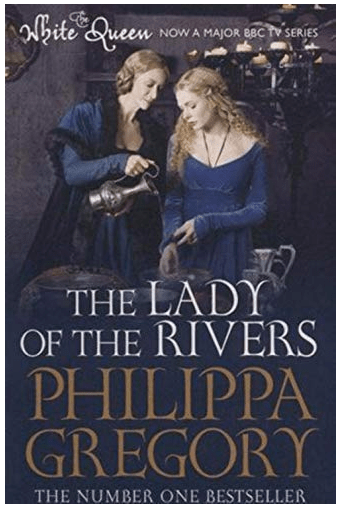
It’s strange how you come across books to read, while reading The Burning Chambers and looking at some online search results about its story content – I do that a lot; up popped a link ‘if you read this, then you might like this‘ and that is how I discovered Phillipa Gregory. Then I found the list that she had put together for the series of The Plantagenet and Tudor Novels to be read in which order.

So this is how I came to read The Lady of the Rivers. I really enjoyed this book, though I was a bit unsure till I got to halfway thought it and then I was hooked. A great story set during the latter years of the Hundred Years War and the various royal intrigues of the time.

Who would have thought that a 14-year-old girl from Luxemburg would end up affecting the history of the next 100 odd years through her marriage and descendants. A great book, I already have the next one – The White Queen – in my stack of books to read. It turns out that there was a BBC adaptation of this broadcast in 2011. Not sure that I remember watching this at the time, so it will have to be either online from Amazon or a DVD purchase (probably not), as it is no longer in BBC iPlayer.

I’m looking forward to reading the whole series of these books.